

7/6/2025
Is your Company in our Directory?

Technical Guide: What Goes Into a Professional Mold Report
12/6/2025
A professional mold inspection is far more than a quick walk-through or a “yes/no” visual check. At Bay Area Mold Pros, certified inspectors follow a structured, evidence-based protocol that combines air sampling, surface sampling, moisture mapping, infrared diagnostics, and accredited laboratory analysis. The result is a detailed mold inspection report that provides scientific clarity, legally defensible documentation, and actionable findings for property owners.
Whether you’re dealing with health symptoms, preparing for a real-estate transaction, navigating an insurance claim, or investigating a moisture problem, understanding what goes into a professional mold report helps you make informed decisions—and avoid unqualified or misleading inspections.
1. Air Sampling: Measuring What You’re Breathing
Air sampling is one of the most important components of a mold inspection because mold spores are microscopic and invisible to the eye. Even if a home looks clean, elevated spore levels may still be circulating indoors.
How Air Sampling Works
Air is drawn through a cassette that collects fungal spores. These cassettes are then analyzed by an accredited laboratory that identifies:
- Spore types (e.g., Aspergillus, Penicillium, Cladosporium, Stachybotrys)
- Spore concentrations (measured in spores per cubic meter)
- Indoor vs. outdoor comparison
- Presence of water-damage indicators
What Elevated or Abnormal Spore Levels Mean
Labs compare indoor samples to outdoor baseline levels. If indoor spore counts are significantly higher—or if water-damage indicator species appear indoors that do not appear outside—this suggests:
- Hidden moisture
- Active or recent mold growth
- Poor ventilation
- Contamination in walls, crawlspaces, attics, HVAC ducts, or carpeting
What Counts as “Safe”?
There is no universal health threshold, but a general guideline is:
- Indoor levels should not exceed outdoor levels.
- Certain species (Stachybotrys, Chaetomium, Ulocladium) should never appear indoors.
- Aspergillus/Penicillium indoors at significantly elevated levels indicates likely water damage, even if no visible mold is present.
A professional report explains not just the numbers—but their meaning and implications.
2. Surface Sampling: Confirming Suspected Growth
While air sampling evaluates airborne spores, surface sampling confirms whether visible discoloration is:
- Mold
- Staining
- Dust
- Dirt
- Bacterial growth
- Soot or oxidation
Two Types of Surface Samples
- Tape Lift: Pressed onto a surface to capture spores and hyphae
- Swab Sample: Used for uneven or porous surfaces like drywall or insulation
Surface testing identifies:
- Mold genus and species
- Whether the mold is actively growing
- Whether contamination is present on building materials
- If the mold is allergenic, pathogenic, or toxigenic
This is crucial in situations where cleaning, remediation, or insurance justification is required.
3. Moisture Mapping & Infrared Diagnostics
Mold cannot grow without moisture, which means identifying the source of moisture is just as important as identifying mold itself.
Moisture Mapping Involves:
- Checking building materials using moisture meters
- Identifying elevated moisture levels in drywall, flooring, baseboards, studs, and insulation
- Mapping moisture patterns to locate hidden leaks or condensation issues
- Using infrared thermography to detect temperature differences that reveal:
- Roof leaks
- Plumbing leaks
- Damp wall cavities
- Poor insulation and hidden condensation
A true mold inspection pairs spore data with moisture data—because without addressing moisture, mold will return.
4. Lab Analysis: Scientific Verification
All samples collected are sent to an accredited microbiology laboratory. This matters because:
- Certified labs follow AIHA, ASTM, and ISO standards
- Results are reproducible and legally defensible
- Species identification is accurate
- Spore quantification is verified by trained analysts
Lab reports typically include:
- Spore types and counts
- Indoor vs outdoor comparisons
- Normal vs abnormal elevations
- Presence of water-damage indicators
- Recommendations for remediation or further investigation
A professional inspector interprets the data for you—lab results alone do not tell the full story.
5. Why a Full Mold Report Matters
A robust inspection report is more than information—it provides protection.
For Insurance Claims
Insurance providers often require documented proof of moisture sources, contamination, and lab results. A professional report helps:
- Avoid claim denials
- Document pre-existing damage
- Support remediation estimates
- Establish timelines
For Real Estate Transactions
Buyers and sellers rely on mold reports to confirm:
- Hidden moisture or leaks
- Air quality conditions
- Safety of the property
- Whether remediation is needed before closing
A clean, third-party mold report can increase confidence and protect property value.
For Health & Safety
A detailed report helps homeowners understand:
- Whether mold is contributing to respiratory or allergy symptoms
- Which species are present
- Whether contamination is active
- What steps are needed to restore healthy indoor air quality
For Long-Term Prevention
The report outlines:
- Moisture sources
- Ventilation problems
- Humidity concerns
- Structural issues
- Maintenance recommendations
This allows property owners to stop mold at the source—not just clean the visible evidence.
Why Choose a Certified, Independent Mold Inspector
Mold inspection should never be performed by remediation companies who may profit from finding a problem. Bay Area Mold Pros provides:
- Certified inspectors
- Independent, unbiased testing
- Clear laboratory results
- Detailed moisture mapping
- Actionable remediation guidance
- Reports suitable for real estate, insurance, and legal documentation
Get a Professional Mold Inspection You Can Trust
If you want answers backed by science—not guesswork—schedule a certified mold inspection with Bay Area Mold Pros. Your indoor air quality, property value, and long-term health depend on accurate, thorough testing.
Other articles and publications:
If you live in cities like San Jose, Sunnyvale, or Mountain View, this quick guide to mold inspection in Santa Clara County
While DIY mold test kits may seem convenient, they often miss what truly matters: the source, scope, and species of the mold problem. That’s where professional mold inspection services come in.
5/7/2025
In this article, we'll explore the importance of professional mold inspections, discuss what the mold inspection process includes, and highlight the benefits of hiring certified mold inspectors.
5/8/2024
In this article, we'll explore the reasons why you need a professional mold inspection and the numerous benefits it offers for your San Francisco home or business.
11/2/2023
In this article, we'll explore the significance of professional mold inspection and testing services, shedding light on the diverse types of mold and their potential implication.
11/27/2023
In this article, we'll explore the crucial role of professional mold inspection and testing in schools and commercial buildings, emphasizing the importance of creating safe and healthy environments.
11/27/2023
Articles and publications of other companies:
If you are finding a high-quality SEO consultant you should know what qualities grow a person into an SEO professional. To reveal the secrets of a successful SEO consultant, read the article.
7/14/2019

Read the article and get to know about what are the best examples to win over your customer between Email marketing and transactional email.
8/17/2020
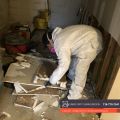
Brooklyn, New-York – February 11, 2021 – Sunbird Carpet Cleaning Brooklyn is pleased to announce the addition of a mold testing & inspection service.
2/11/2021
Dryer maintenance is necessary for home safety, and that means acquiring the necessary cleaning tools to keep the dryer vents in good working order.
9/16/2015
Vermiculite is a mineral that resembles mica and includes shiny pieces of material that can easily be separated.
10/7/2015
Whether you will actually New York for business, get together, leisure or meetings, there isn't always an apparent reason as to why must you not enjoy your stay inside the city.
5/24/2017
New York
company, product and service directory
company, product and service directory
Business Network 2008-2026
All rights reserved
All rights reserved