

8/3/2026
Is your Company in our Directory?

What Information Should You Give a Mold Inspector About Your Symptoms
9/6/2026
If you are experiencing unexplained coughing, sneezing, congestion, itchy or watery eyes, skin irritation, wheezing, or other symptoms and suspect your indoor environment may be contributing, it can be helpful to document what you are experiencing before scheduling a mold inspection. While a mold inspector cannot diagnose medical conditions, information about your symptoms, where they occur, and possible changes in your environment can help provide useful context during an inspection.
Mold and damp indoor environments may be associated with respiratory symptoms, allergic reactions, irritation, and worsening asthma symptoms in some people. However, symptoms can have many possible causes, so they should not be used by themselves to determine whether mold is present or responsible.
1. Describe Your Symptoms Clearly
Start by making a list of the symptoms you have noticed. Be as specific as possible.
For example, instead of simply saying “I don't feel well,” note whether you are experiencing:
- Sneezing or nasal congestion
- Runny nose
- Coughing
- Wheezing
- Throat or nasal irritation
- Red, itchy, or watery eyes
- Skin irritation or rash
- Increased asthma symptoms
- Other changes you have noticed while spending time indoors
Mold can cause allergic reactions and irritation in some individuals, while people with asthma may experience worsening symptoms in damp or moldy environments.
2. Explain When Your Symptoms Started
Timing can provide important environmental context.
Tell the inspector approximately when you first noticed your symptoms and whether they began after:
- Moving into a new home
- A plumbing leak
- Roof damage
- Flooding or water intrusion
- A bathroom or kitchen leak
- Carpet or flooring becoming wet
- A remodeling project
- A heating or cooling system problem
- A period of unusually high indoor humidity
Moisture is one of the most important factors behind indoor mold growth. Mold can develop when spores land on damp materials, including drywall, wood, carpet, insulation, and other building materials.
3. Tell the Inspector Where Symptoms Are Worse
One of the most useful details is where and when you notice your symptoms.
Do they seem worse in:
- The bedroom?
- Basement or crawl space?
- Bathroom?
- Home office?
- A particular hallway or room?
- Areas near an HVAC system?
- A recently repaired or water-damaged area?
Also mention whether symptoms appear to improve when you leave the property for several hours, spend time outdoors, or travel away from home.
This information does not establish that mold is causing your symptoms, but it can help identify areas that deserve closer environmental evaluation.
4. Describe Any Musty Odors or Visible Mold
Tell the inspector if you have noticed a persistent musty or earthy odor, even if you cannot see mold.
Also document visible signs such as:
- Discoloration on walls or ceilings
- Dark or fuzzy growth
- Water stains
- Peeling paint
- Bubbling drywall
- Condensation
- Damp carpeting
- Mold-like growth around windows or bathrooms
A musty odor or visible mold can provide useful clues about moisture and building conditions. NIOSH notes that thorough visual inspections and identifying dampness or musty odors can be useful when evaluating buildings for mold and moisture problems.
5. Share Your Home's Water-Damage History
Do not overlook older water problems.
Tell the inspector about previous leaks, even if they were repaired months or years ago. Include information about roof leaks, plumbing failures, appliance leaks, flooding, recurring condensation, or areas that have repeatedly become damp.
A repaired leak does not necessarily mean there is no remaining moisture problem. Hidden damp materials can create conditions that support mold growth.
6. Explain Previous Mold or Cleanup Attempts
If you have previously cleaned or removed mold, let the inspector know.
Explain:
- Where the mold was located
- Approximately how large the affected area was
- Whether materials were removed
- Whether the area was professionally cleaned
- Whether the mold returned
- Whether the underlying moisture source was identified and corrected
This history can help an inspector determine whether additional areas or moisture sources should be evaluated.
7. Bring Photos, Reports, and Relevant Records
Photos can be particularly helpful if visible mold or water damage has already been cleaned up.
Consider providing:
- Photos of previous mold growth
- Photos of water damage
- Plumbing or roof repair records
- Previous inspection reports
- Indoor air quality reports
- Documentation of recurring leaks
- Information about recent renovations
The goal is to give the inspector a complete picture of the property's history.
Symptoms Are a Clue—Not a Diagnosis
It is important to keep the roles of environmental inspection and medical care separate. A mold inspector evaluates the building and environmental conditions; a healthcare professional evaluates your health and symptoms.
There is no simple symptom checklist that can confirm mold exposure. Environmental testing also has limitations, and short-term air sampling alone cannot determine whether a particular mold concentration is responsible for someone's symptoms. NIOSH recommends paying close attention to building conditions, moisture, and visual evidence rather than relying solely on air sampling.
If you have persistent or concerning symptoms, discuss them with an appropriate healthcare professional while also addressing potential moisture or mold problems in the building.
Schedule a Professional Mold Inspection
If you are concerned about possible mold in your home or business, providing your inspector with detailed information about symptoms, timing, odors, visible conditions, and water history can make the inspection more informative.
Contact Bay Area Mold Pros today to schedule a professional mold inspection and testing assessment. Call (866) 982-4257 or request an inspection online.
A professional evaluation can help identify visible mold, moisture conditions, potential sources of concern, and whether additional testing may be appropriate for the property.
Other articles and publications:
This guide explains what certified mold inspectors do, the qualifications they should have, the specialized tools they use, and what you can expect from a professional mold inspection report.
Whether you live in Mill Valley, Novato, or San Rafael, understanding the signs you need a mold test in your Marin County home can protect your family’s health and your home’s integrity.
7/5/2025
Not all mold inspectors are the same, and choosing the right one can make all the difference in getting accurate results and a clear plan forward.
9/8/2025
In this article, we'll compare home inspectors and mold inspectors, discuss the role of certified mold inspectors, and provide tips for finding the best mold inspector for your needs.
5/8/2024
You should hire an certified mold inspector who is fully dedicated and committed to the business and can help you with your issues.
11/15/2022
If you suspect that there is mold in your home or business, it is important to hire a mold inspector to assess the situation.
5/1/2023
Articles and publications of other companies:
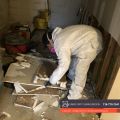
Brooklyn, New-York – February 11, 2021 – Sunbird Carpet Cleaning Brooklyn is pleased to announce the addition of a mold testing & inspection service.
2/11/2021
In order to reduce waste and save as much money on your home’s energy system as you can, one of the best things you can do is to check your fireplace’s insulation system.
7/25/2015

Get to know the main tasks that you can outsource to virtual assistant services which can help you grow your business exponentially.
2/20/2020

Outsourcing to a real estate virtual assistant helps in increasing your productivity by streamlining your tasks. Know the key tasks you should assign them.
4/17/2020
Spending time with NY escorts should be enjoyable and fulfill all your sexual desires in every way. Before you meet an escort there are various etiquette that you need to apply while meeting an escort
11/16/2016
With the progression of time, individuals, have been searching for all the things on the web so they can spare time and effort. Hence every organization is opting for the online business.
11/29/2021
New York
company, product and service directory
company, product and service directory
Business Network 2008-2026
All rights reserved
All rights reserved