

7/3/2026
Is your Company in our Directory?

Certified Mold Inspector Resources: Qualifications, Tools, Inspection Reports, and What to Expect
8/3/2026

When mold or moisture problems are suspected in a home or commercial building, hiring a qualified Certified Mold Inspector (CMI) can make a significant difference. A professional inspection provides valuable information about the source of moisture, the extent of potential mold growth, and the condition of the building—all before costly repairs or remediation decisions are made.
This guide explains what certified mold inspectors do, the qualifications they should have, the specialized tools they use, and what you can expect from a professional mold inspection report.
What Is a Certified Mold Inspector?
A Certified Mold Inspector is a trained professional who specializes in identifying conditions that contribute to mold growth, evaluating moisture intrusion, and assessing indoor environmental conditions. Their work focuses on inspection, documentation, moisture detection, and, when appropriate, mold testing.
Rather than simply looking for visible mold, a certified inspector evaluates the entire building to identify hidden moisture sources and building conditions that may encourage mold growth.
Professional mold inspectors work with:
- Homeowners
- Commercial property owners
- Property managers
- Homeowners' Associations (HOAs)
- Real estate professionals
- Facility managers
- Insurance professionals
- Contractors
- Business owners
Why Certification Matters
Certification demonstrates that an inspector has completed specialized education related to mold, moisture intrusion, building science, and inspection procedures.
A qualified inspector understands:
- Building construction
- Water intrusion pathways
- Moisture migration
- Mold growth conditions
- Indoor air quality principles
- Sampling procedures
- Inspection documentation
- Industry best practices
Certification also reflects a commitment to continuing education as building materials, testing methods, and inspection technologies continue to evolve.
Qualifications of a Professional Mold Inspector
While certification requirements vary by organization, experienced mold inspectors often possess knowledge and training in areas such as:
- Building science
- Moisture dynamics
- Structural components
- HVAC systems
- Ventilation
- Indoor air quality
- Water damage assessment
- Mold sampling techniques
- Report preparation
- Safety protocols
Many inspectors also have backgrounds in construction, environmental consulting, engineering, building inspections, or property maintenance, providing additional insight into how moisture affects buildings.
What Does a Certified Mold Inspector Look For?
A comprehensive mold inspection involves much more than identifying visible mold.
Inspectors evaluate:
- Roof systems
- Plumbing systems
- Exterior walls
- Windows and doors
- Crawl spaces
- Attics
- Basements
- Bathrooms
- Kitchens
- Laundry rooms
- HVAC systems
- Utility rooms
- Mechanical equipment
- Building ventilation
- Signs of previous water damage
- Indoor humidity levels
The primary objective is identifying moisture—the essential ingredient required for mold growth.
Professional Tools Used During Mold Inspections
Modern mold inspections rely on specialized equipment that helps inspectors identify hidden problems without unnecessary demolition.
Moisture Meters
Moisture meters measure the moisture content within drywall, wood framing, flooring, ceilings, insulation, and other building materials.
These instruments help locate:
- Plumbing leaks
- Roof leaks
- Hidden wall moisture
- Wet flooring
- Damp framing
- Water intrusion
Infrared Thermal Imaging Cameras
Infrared cameras detect surface temperature differences that may indicate hidden moisture behind walls, ceilings, or beneath flooring.
Thermal imaging helps identify:
- Roof leaks
- Plumbing leaks
- HVAC condensation
- Wet insulation
- Moisture behind drywall
- Window leaks
Although thermal imaging does not detect mold directly, it is an excellent tool for locating areas requiring additional investigation.
Hygrometers and Humidity Meters
Humidity instruments measure indoor relative humidity and ambient conditions.
High humidity often contributes to mold growth in:
- Bathrooms
- Crawl spaces
- Basements
- Kitchens
- Laundry rooms
- Commercial mechanical spaces
Maintaining indoor relative humidity between approximately 30% and 50% generally helps discourage mold growth.
Borescopes (When Appropriate)
In certain situations, inspectors may use a borescope to examine concealed spaces with minimal disruption.
This can help evaluate:
- Wall cavities
- Ceiling voids
- Mechanical spaces
- Areas behind cabinets
Sampling Equipment
When mold testing is appropriate, inspectors may collect samples using:
- Air sampling pumps
- Surface swabs
- Tape-lift samples
- Bulk material samples
Samples are analyzed by accredited laboratories to identify mold types and compare indoor conditions with outdoor background levels.
When Is Mold Testing Recommended?
Not every inspection requires mold testing. Testing may be appropriate when:
- Hidden mold is suspected
- Indoor air quality concerns exist
- Water damage has occurred
- Documentation is needed for insurance claims
- A real estate transaction requires environmental documentation
- Occupants report persistent musty odors
- Post-remediation verification is requested
An experienced inspector will recommend testing only when it provides meaningful information.
What Should a Mold Inspection Report Include?
A professional mold inspection report should be clear, organized, and easy to understand.
Most reports include:
Property Information
- Inspection date
- Property address
- Building type
- Areas inspected
Inspection Findings
- Visible observations
- Moisture readings
- Areas of concern
- Water intrusion evidence
- Humidity conditions
Photographs
Clear photographs documenting:
- Water damage
- Moisture concerns
- Visible mold
- Inspection locations
- Thermal imaging results (when applicable)
Laboratory Results
If testing is performed, the report should summarize laboratory findings, identify sampled locations, and explain results in understandable language.
Recommendations
The report should outline practical next steps, such as:
- Repairing moisture sources
- Improving ventilation
- Monitoring humidity
- Consulting qualified contractors for repairs
- Considering remediation when appropriate
An effective report provides information that helps property owners make informed decisions without unnecessary alarm.
Residential and Commercial Inspections
Certified mold inspectors evaluate many different property types, including:
Residential
- Single-family homes
- Condominiums
- Apartments
- Townhomes
- Vacation properties
Commercial
- Office buildings
- Medical facilities
- Retail stores
- Schools
- Hotels
- Restaurants
- Warehouses
- Industrial buildings
- Mixed-use developments
Each property requires an inspection strategy tailored to its construction, occupancy, and moisture history.
Why Independent Mold Inspectors Provide Added Value
Many property owners prefer independent mold inspection companies because they provide objective evaluations without offering remediation services.
An independent inspector focuses on:
- Identifying moisture sources
- Evaluating building conditions
- Performing mold testing when appropriate
- Providing accurate documentation
- Offering unbiased recommendations
This separation helps avoid potential conflicts of interest, allowing property owners to make informed decisions based on documented findings.
Questions to Ask Before Hiring a Mold Inspector
Before scheduling an inspection, consider asking:
- Are you a certified mold inspector?
- Do you specialize in both residential and commercial properties?
- What moisture detection equipment do you use?
- Do you offer laboratory-supported mold testing?
- Will I receive a detailed written inspection report?
- Do you use infrared thermal imaging and moisture meters?
- Are your inspections independent of remediation services?
- How soon will I receive my inspection results?
Choosing an experienced inspector can make the inspection process more informative and valuable.
Why Choose Bay Area Mold Pros?
Bay Area Mold Pros is a locally owned and operated company specializing in mold inspection, mold testing, mold analysis, moisture investigations, indoor air quality assessments, and air quality testing for residential and commercial properties throughout the San Francisco Bay Area.
Our experienced inspectors use advanced technology—including moisture meters, infrared thermal imaging cameras, humidity monitoring equipment, and laboratory-supported mold testing when appropriate—to identify hidden moisture, evaluate mold concerns, and provide comprehensive inspection reports.
Unlike companies that both inspect and remediate mold, Bay Area Mold Pros does not provide mold remediation services because we believe doing so creates a conflict of interest. Our inspection-only approach ensures that every assessment is professional, objective, and based solely on the actual condition of your property.
Schedule a Professional Mold Inspection Today
Whether you're purchasing a home, managing a commercial property, responding to water damage, or investigating indoor air quality concerns, a certified mold inspection can provide the reliable information you need.
Contact Bay Area Mold Pros today to schedule a professional mold inspection, mold testing, moisture investigation, indoor air quality assessment, or air quality testing for your residential or commercial property.
Visit bayareamoldpros.com to learn more about our independent inspection services. Our detailed inspection reports, advanced diagnostic tools, and unbiased recommendations help homeowners, business owners, property managers, HOAs, and real estate professionals protect their investments and make informed decisions with confidence.
Other articles and publications:
Hiring a Certified Mold Inspector (CMI) with building science knowledge can provide valuable insight into both the symptoms and the underlying cause of the problem.
Understanding how inspectors choose their tools helps homeowners and property managers appreciate why a thorough mold inspection involves much more than simply looking for visible mold.
7/3/2026
A Certified Mold Inspector can help identify hidden moisture issues, determine whether mold is present, and uncover the underlying causes of mold growth before costly structural damage develops.
6/5/2026
For Bay Area homeowners, understanding what a Certified Mold Inspector (CMI) looks for during an inspection can help prevent expensive structural damage and improve indoor air quality.
6/5/2026
Understanding the key differences between certified mold inspectors and general home inspectors is essential for homeowners, buyers, sellers, property managers who want accurate answers about mold.
2/27/2026
Certified mold inspectors play a critical role in identifying mold issues, testing their extent, and guiding you through remediation.
12/30/2024
Articles and publications of other companies:
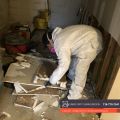
Brooklyn, New-York – February 11, 2021 – Sunbird Carpet Cleaning Brooklyn is pleased to announce the addition of a mold testing & inspection service.
2/11/2021
Dryer maintenance is necessary for home safety, and that means acquiring the necessary cleaning tools to keep the dryer vents in good working order.
9/16/2015

Read the article and get to know about what are the best examples to win over your customer between Email marketing and transactional email.
8/17/2020
Having the right dryer vent cleaning equipment is important to remove the dangerous buildup of lint that is extremely flammable and one of the major causes of home fires.
9/25/2015
Whether you will actually New York for business, get together, leisure or meetings, there isn't always an apparent reason as to why must you not enjoy your stay inside the city.
5/24/2017

Get to know the main tasks that you can outsource to virtual assistant services which can help you grow your business exponentially.
2/20/2020
New York
company, product and service directory
company, product and service directory
Business Network 2008-2026
All rights reserved
All rights reserved