

9/6/2024
Is your Company in our Directory?

The Complete Homeowner's Guide to Identifying, Testing, and Preventing Mold
7/3/2026

Mold is a natural part of the environment, playing an important role in breaking down organic matter outdoors. Inside a home, however, mold growth usually signals that excess moisture is present where it shouldn’t be. While a small patch of visible mold may seem like an isolated issue, it can sometimes indicate hidden water damage or moisture problems affecting other areas of the property.
Understanding how mold develops, where it commonly grows, and how it is professionally evaluated can help homeowners protect both their property and indoor environment. This guide explains the fundamentals of mold identification, testing, and prevention without relying on common myths or misconceptions.
What Is Mold?
Mold is a type of fungus that reproduces by releasing microscopic spores into the air. These spores are naturally present indoors and outdoors throughout the year.
When spores land on a damp surface containing organic material, they may begin growing if enough moisture is available. Common building materials such as drywall, wood, paper, insulation, ceiling tiles, and carpeting can all support mold growth when they remain wet for extended periods.
Mold itself is not always visible immediately. Colonies often develop behind walls, beneath flooring, inside crawl spaces, or above ceilings before becoming noticeable.
Why Mold Grows Indoors
Moisture is the single most important factor required for indoor mold growth.
Some of the most common moisture sources include:
- Roof leaks
- Plumbing leaks
- Appliance leaks
- Flooding
- Condensation around windows
- High indoor humidity
- Poor bathroom ventilation
- Damp basements or crawl spaces
- HVAC condensation
Without moisture, mold cannot continue growing, even though spores remain present in the air.
Common Places Mold Develops
Many homeowners expect mold to appear only in bathrooms, but it can develop almost anywhere moisture persists.
Areas frequently affected include:
Bathrooms
Steam from showers and inadequate ventilation create ideal conditions for mold growth around ceilings, grout, caulking, and drywall.
Kitchens
Leaks beneath sinks, around dishwashers, or behind refrigerators can remain unnoticed for months.
Attics
Roof leaks, blocked ventilation, and condensation often contribute to mold growth on roof sheathing and framing.
Crawl Spaces
Ground moisture, plumbing leaks, and poor airflow frequently lead to elevated humidity levels that support mold development.
Basements
Foundation seepage, flooding, and condensation can create long-term moisture problems.
HVAC Systems
Cooling systems naturally produce condensation. If drainage problems occur, mold may develop within air handlers, drip pans, or nearby insulation.
Recognizing Possible Signs of Mold
Visible mold is only one indicator that moisture problems may exist.
Other signs include:
- Persistent musty odors
- Water stains on walls or ceilings
- Peeling paint
- Bubbling drywall
- Warped flooring
- Condensation on windows
- Recurring moisture problems after rainfall
- Visible discoloration on building materials
Not every stain or discoloration is mold, which is why visual appearance alone is rarely enough to identify the problem accurately.
Can Mold Be Identified by Color?
Many people believe black mold is always the most dangerous or that mold color identifies the species.
In reality, mold color is not a reliable indicator of either species or potential health effects.
Mold may appear:
- Black
- Green
- White
- Yellow
- Gray
- Brown
- Orange
Several different mold species may share similar colors, while a single species may change appearance as it matures.
Laboratory analysis—not visual inspection—is required to identify mold accurately.
How Professional Mold Testing Works
Professional mold testing provides objective information that cannot be obtained through visual observation alone.
Depending on the property and the concerns being investigated, an inspection may include:
- Visual assessment
- Moisture meter readings
- Thermal imaging
- Relative humidity measurements
- Air sampling
- Surface sampling
- Building material evaluation
Air samples are collected using calibrated equipment and analyzed by independent laboratories. Analysts identify airborne mold spores and compare indoor samples with outdoor control samples to determine whether indoor mold levels appear elevated.
Surface samples may also be collected from suspected mold growth to identify fungal structures under laboratory examination.
Testing results are interpreted together with the building inspection rather than viewed independently.
Why Finding the Moisture Source Matters
Cleaning visible mold without correcting the underlying moisture problem often leads to recurring growth.
Professional mold inspection focus on identifying:
- Active leaks
- Hidden plumbing failures
- Roof damage
- Condensation problems
- Foundation moisture
- Ventilation deficiencies
Addressing the source of moisture is essential for long-term mold prevention.
Practical Steps to Reduce Mold Risk
Although mold spores cannot be eliminated completely, homeowners can reduce the likelihood of indoor mold growth by managing moisture effectively.
Helpful preventive measures include:
Repair Water Leaks Promptly
Even slow plumbing leaks can keep building materials damp for extended periods.
Control Indoor Humidity
Maintaining indoor relative humidity below approximately 60%—and ideally between 30% and 50%—helps discourage mold growth.
Improve VentilationUse exhaust fans in bathrooms, kitchens, and laundry rooms to remove excess moisture.
Maintain Roofs and Gutters
Regular inspections can identify damage before water enters the building envelope.
Inspect HVAC Systems
Proper maintenance helps prevent condensation problems and improves airflow throughout the home.
Dry Water-Damaged Materials Quickly
Following a leak or flood, drying affected materials promptly reduces the opportunity for mold to develop.
When Should Homeowners Consider a Professional Inspection?
A professional mold inspection may be appropriate when:
- Musty odors persist without an obvious source
- Water damage has occurred
- Visible mold continues returning after cleaning
- A home is being purchased following previous water damage
- Moisture stains appear on walls or ceilings
- Flooding has affected the property
- Occupants want to better understand indoor environmental conditions
Certified Mold Inspector evaluate not only visible mold but also the moisture conditions that allow mold to develop.
Understanding Mold as Part of Building Maintenance
Mold is often best viewed as an indicator of excess moisture rather than simply a surface problem. Effective long-term prevention depends on identifying water intrusion, maintaining proper ventilation, and addressing building conditions before mold colonies become established.
Routine home maintenance, prompt leak repairs, and periodic inspections after storms or plumbing failures can significantly reduce the likelihood of hidden mold problems. When questions remain about indoor mold or moisture conditions, professional evaluation provides valuable information that supports informed decisions about property maintenance and repair.
Bay Area Mold Pros is a locally owned and operated company specializing in Mold Inspection, Testing & Analysis Serving San Francisco, San Mateo, Santa Clara, Marin, Alameda, and Contra Costa counties. Owner Rick Bruce is a Certified Mold Inspector (CMI) and licensed general contractor with extensive experience evaluating residential and commercial properties for hidden moisture intrusion and mold growth. Using advanced moisture detection equipment, thermal imaging, airborne sampling, and independent laboratory analysis, Bay Area Mold Pros provides thorough, unbiased inspections. If you have concerns about water damage, hidden mold, or indoor air quality, contact Bay Area Mold Pros today to schedule a professional mold inspection and testing service.
Other articles and publications:
This comprehensive guide covers everything from the types of household mold and their severity levels to legal responsibilities and professional mold consulting services.
Understanding how to prevent mold during each season—whether it’s the humidity of summer, the rain of spring and fall, or the indoor warmth of winter—can help homeowners and business owners
11/3/2024
Testing air for mold is essential if you notice musty odors, experience unexplained health symptoms, or have recently dealt with water damage.
2/4/2025
In this guide, we will discuss how to prevent, test for, and treat mold in your San Francisco home and workplace with the expertise of BayAreaMoldPros.
11/2/2023
This guide provides comprehensive information on managing mold in restaurants, including prevention strategies, the importance of professional mold consulting services,
6/3/2024
Air-quality testing and mold inspection can help you identify potential issues and take appropriate measures to improve the air quality.
5/1/2023
Articles and publications of other companies:

Individuals who get ongoing back torment will disclose to you that it's anything but a life changing disease. It has genuine ramifications on the simplicity of doing day by day exercises and capacity.
6/28/2021
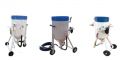
Grit Blaster is one of the best Sand Blasting machine manufacturers in India and suppliers in India.
7/21/2021
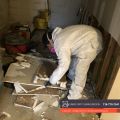
Brooklyn, New-York – February 11, 2021 – Sunbird Carpet Cleaning Brooklyn is pleased to announce the addition of a mold testing & inspection service.
2/11/2021

Read the article and get to know about what are the best examples to win over your customer between Email marketing and transactional email.
8/17/2020

ImpactQA has been awarded for its excellent performance in its domain of software testing, published by a renowned organization Software Testing News.
3/9/2021
Street furniture is highly versatile and it has a great impact on how people use it, how satisfied they are with the features offered and how the outdoor space is decorated.
8/16/2018
New York
company, product and service directory
company, product and service directory
Business Network 2008-2026
All rights reserved
All rights reserved