

7/3/2026
Is your Company in our Directory?

The Role of Building Science in Accurate Mold Analysis
5/4/2026

When people think of mold inspection, they often picture someone looking for visible mold growth or collecting air samples. But professional mold analysis involve much more than identifying where mold appears. In many cases, the real challenge is determining why mold is growing in the first place. That is where building science plays a critical role.
According to Rick Bruce of Bay Area Mold Pros, some of the most accurate mold analysis are rooted not only in environmental testing, but in understanding how buildings function. Moisture movement, ventilation, insulation performance, air pressure, drainage, and construction details can all influence mold conditions. Without evaluating those factors, even a thorough inspection may miss the underlying cause.
What Is Building Science?
Building science is the study of how a structure performs as a system. It examines how components such as walls, roofs, foundations, HVAC systems, and ventilation interact with moisture, heat, and air movement.
In mold analysis, building science helps answer questions like:
- Where is moisture coming from?
- Why is condensation occurring?
- Is ventilation contributing to mold growth?
- Is water entering through the building envelope?
- Are construction defects trapping moisture?
Instead of treating mold as an isolated issue, building science looks at the conditions allowing mold to develop.
That distinction often leads to far more accurate analysis.
Why Mold Problems Are Often Misdiagnosed
One common mistake is focusing only on visible mold rather than the moisture dynamics behind it.
For example:
- Mold on a bathroom ceiling may be blamed on humidity alone when hidden roof leakage is involved.
- Crawlspace mold may be treated as surface contamination when drainage or vapor intrusion is the real issue.
- Attic mold may be mistaken for a roof leak when poor ventilation or condensation is the cause.
Without understanding how the building is performing, the wrong problem may get “fixed.”
Rick Bruce often emphasizes that mold is frequently the symptom—not the root cause.
How Building Science Improves Mold Analysis
Identifying Hidden Moisture Sources
One of the biggest ways building science improves investigations is by helping uncover hidden moisture problems.
Moisture may originate from:
- Building envelope failures
- Plumbing leaks inside walls
- Condensation caused by thermal differences
- Improper drainage around foundations
- HVAC-related humidity problems
- Air leakage transporting moisture into cavities
A basic visual inspection may miss these causes.
Building science helps investigators trace moisture pathways, not just locate damage.
Understanding Condensation-Driven Mold
Condensation is a major source of hidden mold that is often misunderstood.
Temperature differences, insulation gaps, thermal bridging, and poor ventilation can create repeated moisture buildup inside walls, attics, and other concealed spaces.
Without building science knowledge, condensation-related mold may be mistaken for leak-related damage.
That can lead to ineffective repairs and recurring problems.
Evaluating Ventilation and Airflow
Air movement matters in mold analysis
Pressure imbalances, inadequate ventilation, or improperly functioning HVAC systems can contribute to moisture buildup and mold growth.
Examples include:
- Poor bathroom exhaust performance
- Attic ventilation deficiencies
- Crawlspace humidity problems
- HVAC systems spreading moisture or contaminants
These issues may not be obvious unless the investigation considers how the building manages airflow.
Why Building Science Helps Prevent Costly Mistakes
Accurate diagnosis often prevents expensive errors.
Without understanding root causes, property owners may:
- Pay for unnecessary remediation
- Miss hidden moisture sources
- Rebuild before drying issues are solved
- Treat symptoms while mold returns later
- Remove materials unnecessarily
- Overlook structural or drainage defects
Building science-informed investigations often help avoid solving the wrong problem.
And that can save significant money.
What Certified Mold Inspectors May Catch That Others Miss
Inspectors with building science knowledge often notice clues others overlook.
These may include:
- Moisture patterns suggesting concealed leaks
- Condensation risks tied to insulation defects
- Drainage conditions contributing to crawlspace mold
- Ventilation issues driving attic contamination
- Construction details trapping moisture inside assemblies
Rather than simply documenting mold, the investigation becomes diagnostic.
That is often where deeper expertise matters.
Why Moisture Mapping and Building Science Work Together
Moisture mapping is a valuable tool, but interpreting moisture readings correctly often depends on building science understanding.
For example:
- Elevated moisture may point to active intrusion—or trapped historic moisture.
- Thermal anomalies may suggest leaks—or condensation.
- Dampness near foundations may involve drainage, vapor, or plumbing sources.
Data alone does not tell the whole story.
Building science helps interpret findings accurately.
Why Accurate Investigations Matter for Homes and Commercial Buildings
Whether in homes or commercial properties, finding mold without understanding causation can lead to recurring problems.
Accurate investigations can support:
- More effective remediation planning
- Better repair recommendations
- Reduced likelihood of recurrence
- Stronger documentation for transactions or disputes
- Protection of indoor air quality and building performance
The goal is not just locating contamination.
It is understanding why it happened.
The Bottom Line
Mold analysis are most effective when they go beyond identifying visible growth and focus on the building conditions causing moisture problems.
That is where building science makes the difference.
By evaluating how moisture, airflow, insulation, drainage, and construction interact, professional mold analysis can uncover hidden causes others may miss, avoid costly mistakes, and lead to better long-term solutions.
As Rick Bruce explains, successful mold analysis are rarely just about finding mold.
They are about understanding the building well enough to know why it is there.
And that is often what prevents the problem from coming back.
Rick Bruce is a Certified Mold Inspector and trusted expert at Bay Area Mold Pros, specializing in mold inspection, moisture investigations, and building science-based evaluations throughout the Bay Area. Concerned about hidden mold or unresolved moisture issues? Schedule a professional inspection today at BayAreaMoldPros.com and get expert answers before small problems turn into costly damage
Other articles and publications:
Hiring a Certified Mold Inspector (CMI) with building science knowledge can provide valuable insight into both the symptoms and the underlying cause of the problem.
Professional moisture mapping is one of the most effective tools used during modern Mold Inspection, Testing & Analysis.
6/5/2026
Understanding how inspectors locate concealed moisture helps explain why professional mold inspections rely on building science rather than guesswork.
7/3/2026
Mold analysis can detect allergens and toxins produced by specific mold types.
12/30/2024
While air quality testing can detect mold spores in the air, it's just one piece of the puzzle when it comes to mold detection.
9/7/2023
Understanding the difference between toxic and non-toxic mold is crucial for homeowners and property owners to prioritize mold prevention and remediation efforts
8/4/2023
Articles and publications of other companies:
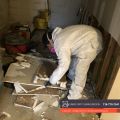
Brooklyn, New-York – February 11, 2021 – Sunbird Carpet Cleaning Brooklyn is pleased to announce the addition of a mold testing & inspection service.
2/11/2021

The blockchain is a decentralized ledger of all transactions throughout a peer to peer network.
7/4/2018

There are numerous motivations to get a back rub. In the first place, it can loosen up you and cause you to feel less pushed. It can likewise help relax up firm muscles and make practicing simpler.
6/17/2021

Our Massage Spa provide Traditional hot stone therapy involves placing and gliding various sizes of basalt stones along the spine, shoulders and neck to promote deep relaxation
5/28/2021

Ecommerce websites serve as a medium between the seller and the customer. Websites have become the need of online businesses.
6/8/2021

Our Massage Spa provide Traditional hot stone therapy involves placing and gliding various sizes of basalt stones along the spine, shoulders and neck to promote deep relaxation
6/9/2021
New York
company, product and service directory
company, product and service directory
Business Network 2008-2026
All rights reserved
All rights reserved