

8/5/2026
Is your Company in our Directory?

When to Call Professionals for Emergency Dental Care.

10/29/2026
Dental emergencies are sudden and unpredictable and can be painful, uncomfortable, and stressful. Whether it's sudden toothaches, broken teeth, or injuries to the mouth, it's important to take note of these to avoid any issues. Being able to tell when it's time to call a professional could really help maintain good oral health. If a patient visits an emergency dentist in Indianapolis, they'll be able to get an accurate diagnosis and timely treatment before a minor problem can proceed to a larger one.
There are some symptoms that must never be overlooked. If your child has severe tooth pain, continues to bleed, has swelling in the face, or has injuries to the permanent teeth, it may be urgent. Although it may feel OK to have that discomfort, the problem may lie with other issues, such as infection, extensive decay, or damage to the inner tissues of the tooth. Prompt contact with the emergency dentist in Indianapolis will allow the extent of the problem to be determined and the appropriate treatment options discussed. Early recognition of these warning signs can also help to lessen the probability of becoming involved in more involved procedures down the road.
Immediate Action before Professional Treatment
Actions taken right after a dental injury 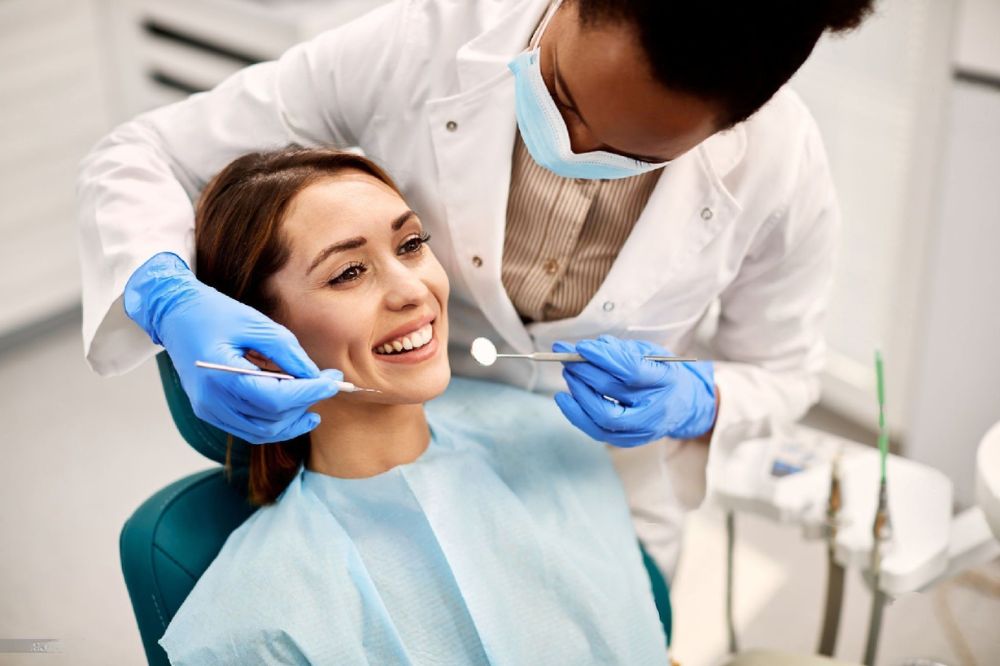 could have an impact on the recovery process. If necessary on a rinsing do it gently not with scrubbing and if possible reinsert into the socket. Unless this happens, it should be kept moist in milk and obtain immediate dental attention. The sooner, the better, as time plays an important role in determining whether or not the tooth can be saved. If a tooth is chipped or has been fractured, rinse your mouth with warm water and put a cold cloth on the outside of the cheek to reduce swelling. Don't chew on the affected side and be careful not to massage or press the aspirin directly on the gums, because it may cause injury to the tissue. In case of bleeding, gently apply a clean bandage.
Cavities, broken fillings, or infection can lead to severe toothache. Washing with warm salt water may give temporary relief, but will not cure the underlying cause. If there is generalized swelling of the face, fever, or increasing pain, the affected person should see a doctor immediately. If breathing is difficult or swallowing is impaired, look it up and get medical attention urgently; it could be a serious infection.
Re-establishing your oral health and preventing impending crises
After arrival in the dental office, the dentist inspects the affected area and ascertains its root cause. Treatment might involve repair or replacement of the damaged teeth, root canal, and/or treatment of an infection. The advice provided by an emergency dentist in Indianapolis can help patients understand their treatment options, as well as how to address pain, recovery, and follow-up care. This emergency dentist in Indianapolis may help them deal with a dental issue that may be serious in nature before it gets to this point. If pain goes away for a while, it is still important to be professionally assessed, as underlying damage or infection can still be present. Adhering to the dentist's advice and completing any treatment advised can help avoid further issues and contribute to recovery in the long term.
Having a dental care connection with an emergency dentist in Indianapolis before a dental emergency occurs is helpful when the actual event happens. Overall, it's crucial to know the warning signs, take the proper action, and seek professional care to keep your smile healthy and comfortable.
Other articles and publications:
Dental emergencies are unexpected and can happen at any time, and bring a need for urgent dental care.

Our oral health mustn't be neglected. Good oral health and hygiene not only enhance one's sense of self-confidence and smile but are also essential to one's overall wellness.
7/14/2026

Dentists have a critical role to play in promoting overall health through the prevention, diagnosis, and treatment of oral diseases.
8/5/2026

Regular visits to the dentist keep both children and adults smiling, save them money on future dental visits, and help boost their confidence.
7/7/2026

A healthy mouth is critical to good health. Your teeth and gums require regular care to be restored to a strong, comfortable, and preventable condition.
8/31/2026

When you start looking for rug cleaning services, you come up with so many companies. Some companies officially offer this service and some individuals also have cleaning service.
2/22/2021
Business details
- +1 (21220) 086-0
- 7766 Indian Summer Rd. Webster, NY 14580
We are a home and electronic business that sell in our store and online
New York
company, product and service directory
company, product and service directory
Business Network 2008-2026
All rights reserved
All rights reserved