

9/30/2026
Is your Company in our Directory?

Bathroom Mold Inspection: Distinguishing Surface Mold From a Moisture Problem
9/6/2026
Bathrooms are among the most common areas in a home where homeowners notice mold or suspected mold growth. Warm showers, steam, condensation, plumbing, and limited ventilation can all contribute to elevated moisture. Small spots may appear around caulking or grout, while more significant moisture problems can affect drywall, ceilings, flooring, cabinets, and areas behind walls.
However, not every dark spot in a bathroom indicates the same problem. Surface discoloration may have a relatively localized cause, while recurring or expanding growth can indicate an underlying moisture problem. A professional bathroom mold inspection can help determine what conditions may be contributing to the concern.
Why Bathrooms Are Prone to Mold
Mold needs moisture to grow, and bathrooms regularly generate moisture through bathing, showering, sinks, and normal household activities.
When moisture is not effectively removed, humidity can accumulate and condensation may form on cool surfaces. Over time, repeated moisture exposure can affect porous building materials.
Common bathroom moisture sources include:
- Shower and bath steam
- Plumbing leaks
- Condensation
- Leaking faucets or fixtures
- Damaged shower enclosures
- Failed caulking or grout
- Leaks beneath sinks
- Toilet leaks
- Poor bathroom ventilation
- Water intrusion from adjacent areas
The important question is not simply “Is there mold?” but also “Why is this area staying wet?”
Surface Mold vs. an Underlying Moisture Problem
Small amounts of surface growth can sometimes occur in areas that regularly become damp, such as shower corners, grout, caulking, or other frequently wet surfaces.
However, recurring growth may indicate that moisture conditions have not been adequately controlled.
For example, if discoloration repeatedly returns after cleaning, continues to expand, or appears on drywall or other porous materials, the surrounding area may deserve additional investigation.
An inspector may look for evidence of moisture behind or around the affected surface rather than assuming that cleaning the visible area will resolve the problem.
Signs Your Bathroom May Have a Moisture Problem
Certain warning signs deserve closer attention.
These can include:
- Mold or discoloration that repeatedly returns
- Peeling or bubbling paint
- Soft or deteriorated drywall
- Water stains on ceilings or walls
- Musty odors
- Damaged flooring
- Swollen cabinets
- Persistent condensation
- Damp areas around plumbing
- Staining outside the immediate shower area
A bathroom that appears clean but consistently smells musty may also warrant investigation.
These signs do not automatically prove that hidden mold exists. Instead, they indicate that the property's moisture conditions should be evaluated.
The Importance of Bathroom Ventilation
Ventilation plays an important role in controlling bathroom humidity.
Exhaust fans can help remove moisture generated during showers and baths, but their effectiveness depends on installation, operation, airflow, and how the exhaust is routed.
During an inspection, an experienced professional may evaluate visible ventilation components and look for signs that excessive humidity or condensation may be contributing to the problem.
Simply installing a larger fan is not always the complete solution. The building's overall moisture behavior and the source of the moisture should be considered.
What Does a Bathroom Mold Inspector Evaluate?
A professional mold inspection can include a visual assessment of accessible bathroom areas and surrounding building materials.
An inspector may examine:
- Walls and ceilings
- Shower and tub areas
- Caulking and grout
- Flooring
- Cabinets
- Plumbing connections
- Areas around toilets and sinks
- Windows and exterior walls
- Adjacent rooms
- Attic or crawlspace areas when relevant
Moisture meters may be used to evaluate accessible building materials when elevated moisture is suspected.
Thermal imaging may also help identify temperature differences that warrant additional investigation. However, infrared cameras do not directly detect mold. They are an investigative tool that can help identify areas for closer evaluation.
When Should You Consider Mold Testing?
Mold testing is different from a mold inspection.
An inspection evaluates the property and investigates potential moisture sources and visible conditions. Testing involves collecting samples for laboratory analysis.
Testing may be appropriate when there is a specific question that laboratory analysis can help answer. Depending on the circumstances, an inspector may recommend air or surface sampling.
A laboratory report can provide information about mold identified in the collected sample, but it cannot determine why the bathroom became wet or inspect every part of the building.
That is why testing should be interpreted in the context of the physical inspection.
Why Addressing Moisture Is Essential
If mold or suspected mold is associated with an ongoing moisture problem, addressing only the visible surface may not solve the underlying issue.
For example, repairing a plumbing leak, correcting water intrusion, improving moisture control, or addressing ventilation concerns may be necessary to prevent recurring conditions.
The appropriate corrective action depends on what the inspection reveals.
Professional Bathroom Mold Inspection in the Bay Area
Bathroom mold concerns should not automatically be treated as either harmless surface staining or evidence of a major hidden contamination problem. The surrounding moisture conditions matter.
Bay Area Mold Pros provides professional mold inspection, mold testing, and indoor air quality assessment throughout the Greater San Francisco Bay Area, including San Francisco, San Mateo, Santa Clara, Marin, Alameda, and Contra Costa counties.
Whether you are dealing with recurring bathroom mold, unexplained musty odors, water stains, condensation, or suspected hidden moisture, a professional inspection can help you understand the conditions affecting your property.
Contact Bay Area Mold Pros today to schedule a professional mold inspection and testing assessment. Call (866) 982-4257 or request an inspection online.
Other articles and publications:
Bay Area Mold Pros includes humidity readings in its inspection process where mold growth or moisture is suspected.
This article will explore the common hidden places where bathroom mold grows, the importance of mold inspections, and how professional mold testing can ensure your bathroom remains mold-free.
10/8/2024
This guide explores how moisture meters and thermal imaging cameras work, their advantages, and how they are used in attic, roof, and wall inspections.
9/6/2024
Mold can cause a variety of health problems, such as respiratory issues, headaches, and skin irritation. In addition, mold can also weaken the structure of your home and reduce its overall value.
3/2/2023

Black mold usually grows in areas exposed to too much water and moisture. It is difficult to distinguish black mold from other species without testing by a licensed mold inspection company in SF.
6/6/2022

In this article, we have mentioned a few tricks which could help prevent mold from your bathroom or kitchen.
10/10/2022
Articles and publications of other companies:
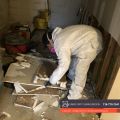
Brooklyn, New-York – February 11, 2021 – Sunbird Carpet Cleaning Brooklyn is pleased to announce the addition of a mold testing & inspection service.
2/11/2021

JFK Inn is located a mile from the JFK Airport New York, offers comfort and convenience together in Hotel near JFK airport, NYC.
7/19/2018

Our company providing best massage center in dubai
5/25/2021
How to select the best study material from the ocean of mppsc coaching in indore, which one is best for your preparation find the tips here to selectc the best one.
1/15/2022
In order to reduce waste and save as much money on your home’s energy system as you can, one of the best things you can do is to check your fireplace’s insulation system.
7/25/2015
Having the right dryer vent cleaning equipment is important to remove the dangerous buildup of lint that is extremely flammable and one of the major causes of home fires.
8/21/2015
New York
company, product and service directory
company, product and service directory
Business Network 2008-2026
All rights reserved
All rights reserved