

8/28/2026
Is your Company in our Directory?

6 Dental Implant Facts That Could Change the Way You Think About Missing Teeth

7/28/2026
The funny thing about missing teeth is that people often notice them less than we imagine. We, on the other hand, become experts at smiling with closed lips, chewing on one side, or strategically holding a coffee mug in front of our face during photos. Funny how confidence works. If you've ever wondered whether dental implants are really worth considering, a few surprising facts might completely change the picture.
Missing One Tooth Affects More Than Your Smile
It seems like one small gap shouldn't make much difference. Yet your mouth has other plans.
When a tooth disappears, neighboring teeth gradually drift into the empty space, your bite can change, and chewing may become less balanced. Even your jawbone starts responding to the missing root. That's one reason people often begin exploring dental implant surgery long before discomfort becomes obvious.
It's a domino effect, only much less entertaining.
Implants Replace the Root, Not Just the Tooth
Crowns get most of the attention because they're the visible part, but the real star is hidden underneath.
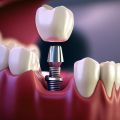
A dental implant is placed into the jawbone, acting like an artificial tooth root that supports the replacement crown. This deeper foundation helps distribute chewing forces naturally instead of simply filling the visible gap.
When visiting a trusted dentistry clinic, many people are surprised to learn that the strongest part of the restoration is the piece nobody ever sees.
Bone Loves Having a Job Again
Here's something your biology teacher probably forgot to mention.
Healthy tooth roots stimulate the jawbone every time you bite into an apple, crunch a carrot, or accidentally discover popcorn kernels hiding at the bottom of the bowl. Without that stimulation, bone slowly shrinks over time.
Because dental implant surgery places a titanium post into the bone, the surrounding tissue continues receiving the kind of activity it was designed for. It's a little like putting an abandoned walking trail back into regular use. Nature tends to appreciate that.
They Aren't Reserved for Older Adults
Many people picture implants as something only retirees need.
Reality is far more interesting. Adults of many ages lose teeth because of accidents, sports injuries, severe decay, or unexpected dental problems. Life has a habit of throwing curveballs when you least expect them.
A consultation at a reputable dentistry clinic focuses much more on overall oral health and bone condition than the number of birthday candles you've blown out. Age alone rarely tells the whole story.
Recovery Isn't Always as Dramatic as People Imagine
The phrase dental implant surgery can sound intimidating, almost like something involving dramatic movie music and endless ice packs.
In practice, many patients describe the recovery as more manageable than they anticipated, especially when they carefully follow post-procedure instructions. Mild swelling, temporary tenderness, and a softer menu for a few days are common, but experiences vary from person to person.
Your favorite mashed potatoes might suddenly become the hero of the week. Not the worst promotion they've ever received.
Good Habits Matter More Than Fancy Gadgets
People sometimes assume implants are indestructible.
Not quite.
While the implant itself doesn't develop cavities, the surrounding gums and supporting bone still require daily care. Brushing, flossing, routine professional cleanings, and regular checkups all play important roles in long-term success.
That's why your relationship with a reliable dentistry clinic doesn't end once the new tooth is in place. Think of it less as finishing a project and more as maintaining something valuable that you use every single day without even thinking about it.
A Small Change Can Feel Surprisingly Big
Replacing a missing tooth isn't only about appearances, although enjoying photos again certainly doesn't hurt. It's also about speaking comfortably, eating confidently, protecting your remaining teeth, and feeling like your smile belongs to you again.
Dental implants aren't the right answer for every situation, and every mouth tells its own story. Still, understanding how they work often replaces uncertainty with curiosity. Sometimes the biggest surprise isn't the technology itself. It's realizing that living with a missing tooth isn't something you simply have to accept forever.
Other articles and publications:
Dental Implant Problems

Dental Implants
11/12/2024

Dental Implants
5/19/2022
Dental Implants
2/20/2024

Dental Implants
5/29/2023

Mini Dental Implants
4/28/2023
Articles and publications of other companies:
“Oro, the Incredible Dog” is a book that has been written by Ray “Griz” Racobs that explores the tale of friendship between a man and his unique telepathic dog.
9/30/2021
ONCA invent is one of the leading casino communities on the internet offering genuine reviews and strategies for the players.
12/25/2021
ONCA invent is an independent community of active casino players helping players find tips and tricks of online gambling
12/25/2021
Business details
- +1 (646) 270-9836
- Long Island City
- grantny.com
I am Amelia Grant, journalist, and blogger. I think that information is a great force that is able to change people’s lives for the better.
New York
company, product and service directory
company, product and service directory
Business Network 2008-2026
All rights reserved
All rights reserved