

7/3/2026
Is your Company in our Directory?

A Comprehensive Guide to Indoor Airborne Contaminants: Mold, Dust, Pollen, and More
7/3/2026

The air inside a home or commercial building often appears clean, but it contains countless microscopic particles that are invisible to the naked eye. Every day, people breathe a mixture of natural and man-made airborne contaminants, many of which originate indoors. While most particles are harmless at normal levels, elevated concentrations of certain contaminants can indicate moisture problems, inadequate ventilation, or poor indoor environmental conditions.
Indoor air quality has become an increasingly important topic for ho
meowners, business owners, property managers, and homebuyers. Understanding the most common airborne contaminants—and how professionals evaluate them—can help identify hidden building issues before they become costly problems.
What Are Indoor Airborne Contaminants?
Airborne contaminants are microscopic particles, biological materials, or chemical compounds suspended in the air. They originate from both outdoor and indoor sources and continually circulate through buildings via natural airflow and HVAC systems.
The concentration of these contaminants changes throughout the day depending on weather conditions, occupancy, ventilation, humidity, and building maintenance.
Some airborne particles are expected in every building, while unusually high levels may signal underlying problems that require further investigation.
Mold spores are among the most common biological particles found indoors. Mold reproduces by releasing microscopic spores that travel through the air until they land on a damp surface where growth can begin.
Contrary to popular belief, mold spores are naturally present in both indoor and outdoor environments. Their presence alone does not indicate a mold problem. Instead, professionals evaluate whether indoor spore concentrations are significantly different from outdoor levels or whether certain mold types suggest active indoor growth.
Common moisture sources that contribute to elevated airborne mold include:
- Roof leaks
- Plumbing failures
- Flood damage
- Crawl space moisture
- Condensation
- Poor ventilation
- HVAC moisture accumulation
Because mold often grows behind walls, beneath flooring, or inside ceiling cavities, airborne mold sampling is frequently used to help identify hidden contamination.
Household Dust
Dust is one of the most recognizable indoor contaminants, but it is far more complex than many people realize.
Typical household dust contains a mixture of:
- Skin cells
- Fabric fibers
- Soil particles
- Pet dander
- Hair
- Insect fragments
- Outdoor debris
- Microscopic organic material
Dust accumulates on surfaces and becomes airborne whenever people walk through a room, vacuum, or operate heating and cooling systems.
Excessive dust buildup may also indicate inadequate filtration, poor HVAC maintenance, or insufficient cleaning practices.
Pollen
Pollen originates outdoors but easily enters buildings through:
- Open windows
- Doors
- Clothing
- Pets
- HVAC systems
Seasonal pollen levels vary throughout the year depending on local vegetation and weather conditions.
Although pollen itself does not grow indoors, it often settles on furniture, carpets, and ventilation systems where it can be redistributed into the indoor air.
Professional indoor air evaluations may compare indoor and outdoor pollen levels when investigating air quality concerns.
Dust Mite Allergens
Dust mites are microscopic organisms that thrive in warm, humid environments. While the mites themselves are generally not airborne, proteins found in their waste particles and body fragments become airborne during normal household activity.
Dust mite allergens commonly accumulate in:
- Mattresses
- Upholstered furniture
- Carpeting
- Curtains
- Bedding
High indoor humidity encourages larger dust mite populations, making moisture control an important part of indoor environmental management.
Pet Dander
Pet dander consists of tiny flakes of skin shed by cats, dogs, birds, and other animals.
These lightweight particles remain suspended in the air for long periods and easily circulate through HVAC systems.
Even homes without pets may contain pet allergens carried on clothing from other environments.
Professional air quality assessments sometimes identify elevated biological particles associated with pets, especially in multi-unit housing or rental properties.
Bacteria and Other Biological Particles
Indoor air may also contain bacteria, fungal fragments, insect debris, and other biological materials.
Unlike mold, bacteria require different environmental conditions for growth and are not typically evaluated during standard mold inspections. However, moisture problems that promote mold growth may also support bacterial contamination in certain building materials.
A comprehensive building inspection considers the overall moisture conditions rather than focusing on a single contaminant.
Smoke and Fine Particulates
Wildfire smoke, tobacco smoke, cooking emissions, candles, fireplaces, and vehicle exhaust introduce extremely fine particulate matter into indoor environments.
These particles can infiltrate buildings through small openings and ventilation systems, where they may remain suspended for extended periods.
Following wildfire events, many property owners request indoor air evaluations to determine whether smoke infiltration has affected their property.
Volatile Organic Compounds (VOCs)
Not all airborne contaminants are biological.
Volatile Organic Compounds (VOCs) are gases released from many common household products, including:
- Paints
- Adhesives
- Cleaning products
- New carpeting
- Furniture finishes
- Building materials
Although VOC testing is generally separate from mold inspections, both are important considerations when evaluating overall indoor air quality.
How Professionals Evaluate Indoor Air Quality
Because airborne contaminants are invisible, professional evaluation relies on specialized equipment rather than visual observation alone.
Depending on the property and the concerns being investigated, an inspection may include:
- Visual building assessment
- Moisture mapping
- Thermal imaging
- Humidity measurements
- Airborne mold sampling
- Surface sampling
- HVAC evaluation
- Laboratory analysis
Air samples are collected using calibrated pumps that capture airborne particles on specialized sampling media. Independent laboratories then identify and quantify mold spores and other biological materials using microscopic analysis.
Rather than relying on a single measurement, inspectors interpret laboratory findings alongside building conditions, moisture readings, occupant observations, and visible evidence of water intrusion.
Why Moisture Control Is the Foundation of Healthy Indoor Air
Many indoor air quality issues can be traced back to excess moisture. Water intrusion creates favorable conditions for mold growth, supports dust mite populations, and can contribute to deterioration of building materials.
Maintaining proper ventilation, repairing leaks promptly, controlling indoor humidity, and performing regular HVAC maintenance all help reduce conditions that allow contaminants to accumulate.
For this reason, identifying and correcting moisture sources is often the first step in improving indoor environmental quality.
The Value of Professional Mold Inspection and Testing
While air purifiers and routine cleaning may reduce some airborne particles, they cannot identify hidden mold growth or determine whether moisture problems exist inside walls, ceilings, or crawl spaces.
Professional Mold Inspection and Mold Testing provide objective information about indoor environmental conditions, helping property owners understand whether elevated airborne mold spores are present and whether additional investigation or remediation is necessary.
Whether purchasing a property, investigating musty odors, responding to water damage, or evaluating indoor air quality concerns, a comprehensive inspection provides valuable information that cannot be obtained through visual observation alone.
Bay Area Mold Pros is a locally owned and operated company specializing in Mold Inspection, Mold Testing & Analysis Serving San Francisco, San Mateo, Santa Clara, Marin, Alameda, and Contra Costa counties. Owner Rick Bruce is a Certified Mold Inspector (CMI) and licensed general contractor with extensive experience evaluating residential and commercial properties for hidden moisture intrusion, airborne mold, and indoor air quality concerns. Using advanced moisture detection equipment, thermal imaging, airborne sampling, and independent laboratory analysis, Bay Area Mold Pros delivers accurate, unbiased inspections. Contact Bay Area Mold Pros today to schedule a professional mold inspection and testing service to protect your property and improve your indoor air quality.
Other articles and publications:
Understanding how airborne mold spores behave and how air purifiers work can help property owners make informed decisions about maintaining a healthier indoor environment.
Below, we explore the key aspects of poor air quality detection, testing for mold, and choosing the right air purifier.
12/3/2024
The importance of testing & monitoring indoor air quality, how to test it in various settings, what air quality tests measure, the benefits of IAQ testing, and insights about air purifiers.
7/3/2024
In this comprehensive guide, we will explore the necessary actions to address water damage, mold, and mildew, drawing insights from the expertise of BayAreaMoldPros.
11/27/2023
Mold inspection, testing, and air quality services play a vital role in safeguarding residential and commercial properties in San Francisco against mold-related issues.
3/6/2024
This article provides a comprehensive guide on what black mold looks like, its common sources, where it grows, and why it’s dangerous, along with symptoms of exposure, inspection processes,
9/6/2024
Articles and publications of other companies:

Get to know the main tasks that you can outsource to virtual assistant services which can help you grow your business exponentially.
2/20/2020

Fit is often the most significant aspect of a high-quality waistcoat. High armholes and a snug fit around the torso and shoulders are essential.
7/24/2021
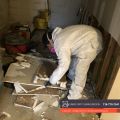
Brooklyn, New-York – February 11, 2021 – Sunbird Carpet Cleaning Brooklyn is pleased to announce the addition of a mold testing & inspection service.
2/11/2021

Our company provide best massage service
5/26/2021

The designers are crafting their collections in the comprehensive range of designs & shades. As Diwali is a festive occasion, the people love to wear the traditional outfits.
8/22/2021
Dryer maintenance is necessary for home safety, and that means acquiring the necessary cleaning tools to keep the dryer vents in good working order.
9/16/2015
New York
company, product and service directory
company, product and service directory
Business Network 2008-2026
All rights reserved
All rights reserved