

8/3/2026
Is your Company in our Directory?

Restaurant Mold Inspection Services in Alameda: Protecting Food Service Facilities
7/3/2026

Restaurants operate in environments where moisture, heat, refrigeration, and continuous food preparation create ideal conditions for water-related building problems. Kitchens generate steam, walk-in coolers produce condensation, plumbing systems run throughout the facility, and HVAC equipment operates for long hours. While these conditions are essential for daily operations, they can also increase the risk of hidden moisture and mold if leaks or humidity are not properly managed.
Professional restaurant mold inspections are designed to identify moisture intrusion, evaluate building conditions, and detect hidden mold before it leads to extensive property damage or business interruptions. Rather than focusing only on visible mold, inspectors investigate the underlying causes of excess moisture and recommend areas that may require corrective action.
Why Restaurants Are More Susceptible to Moisture Problems
Unlike many commercial buildings, restaurants generate moisture every day through normal operations.
Common sources include:
- Cooking steam
- Dishwashing equipment
- Ice machines
- Refrigeration systems
- Walk-in coolers and freezers
- Beverage stations
- Plumbing fixtures
- HVAC condensate
- Roof leaks
When moisture remains trapped behind walls, beneath flooring, or above ceilings, mold may begin developing without being immediately visible.
Areas Commonly Evaluated During Restaurant Mold Inspections
Every restaurant has a unique layout, but inspectors typically pay close attention to moisture-prone areas such as:
Commercial Kitchens
Professional inspections evaluate conditions around:
- Food preparation areas
- Dishwashing stations
- Floor drains
- Plumbing connections
- Cooking equipment
- Exhaust systems
Water splashes, steam, and frequent cleaning can contribute to elevated moisture levels.
Walk-In Coolers and Freezers
Condensation is one of the most common moisture sources inside refrigeration areas.
Inspectors examine:
- Door seals
- Cooling units
- Condensate drains
- Wall panels
- Flooring
- Ceiling assemblies
Restaurant operators frequently report recurring moisture around walk-in units when drainage systems or door gaskets require maintenance. Similar issues are commonly discussed by food service professionals dealing with high-humidity refrigeration environments.
Storage Rooms
Dry storage areas may experience hidden leaks from adjacent plumbing or roof systems.
Inspectors evaluate:
- Shelving
- Walls
- Ceilings
- Flooring
- Stored inventory
Dining Areas
Although less exposed to moisture than kitchens, dining rooms may develop water intrusion from:
- Window leaks
- Roof leaks
- HVAC systems
- Plumbing located above ceilings
Restrooms
Restaurants contain numerous plumbing fixtures that may contribute to hidden moisture if leaks develop behind finished surfaces.
Warning Signs That May Indicate Hidden Moisture
Restaurant owners and facility managers should investigate conditions such as:
- Persistent musty odors
- Water stains on ceilings
- Bubbling paint
- Warped flooring
- Condensation around refrigeration equipment
- Repeated plumbing leaks
- Discolored ceiling tiles
- Visible microbial growth
- Damp wall surfaces
Early investigation often helps reduce repair costs by identifying moisture before significant mold growth develops.
What Happens During a Professional Restaurant Mold Inspection?
A comprehensive commercial mold inspection typically begins with a review of the property's maintenance history and any known water intrusion events.
Depending on the building, the inspection may include:
- Visual building assessment
- Moisture meter readings
- Thermal imaging
- Relative humidity measurements
- Evaluation of HVAC systems
- Inspection of refrigeration-related moisture
- Plumbing assessment
- Roof leak investigation
- Air sampling when appropriate
- Surface sampling if visible growth is present
The objective is to determine where moisture is entering or accumulating—not simply whether mold exists.
The Role of Laboratory Testing
When mold testing is appropriate, samples are submitted to an independent environmental laboratory for analysis.
Testing may include:
Air Sampling
Air samples help identify:
- Types of airborne mold spores
- Relative spore concentrations
- Indoor versus outdoor comparisons
- Evidence suggesting unusual indoor mold amplification
Surface Sampling
Visible discoloration may be sampled to determine whether fungal structures are present and to document the types of mold identified through laboratory examination.
Laboratory findings are interpreted together with moisture measurements and building observations.
Preventive Mold Inspection Programs for Restaurants
Many restaurant owners schedule inspections as part of routine facility maintenance instead of waiting until visible mold appears.
Preventive inspections can help identify:
- Small roof leaks before interior damage develops
- Hidden plumbing leaks
- HVAC condensation issues
- Refrigeration moisture problems
- Elevated indoor humidity
- Areas requiring maintenance or repair
Routine inspections provide valuable documentation of building conditions and support proactive facility management.
Why Professional Equipment Matters
Hidden moisture often cannot be detected through visual observation alone.
Certified Mold Inspectors use specialized equipment such as:
- Moisture meters
- Thermal imaging cameras
- Hygrometers
- Calibrated air sampling pumps
- Surface sampling tools
These technologies help identify concealed moisture while minimizing unnecessary disruption to restaurant operations.
Supporting a Safe and Well-Maintained Restaurant Environment
Moisture management is an essential part of maintaining any food service facility. Whether the building is a neighborhood café, fine dining restaurant, bakery, commercial kitchen, or multi-location franchise, identifying water intrusion early can help protect building materials, preserve indoor environmental quality, and reduce the likelihood of recurring mold problems.
Professional restaurant mold inspections provide objective information about moisture conditions, allowing owners, facility managers, and property managers to make informed maintenance decisions based on building science rather than assumptions.
Restaurant Mold Inspection Services in Alameda
Bay Area Mold Pros provides professional Restaurant Mold Inspection, Mold Testing, and Indoor Environmental Assessments for restaurants, cafés, commercial kitchens, bakeries, food production facilities, and hospitality businesses throughout Alameda County and the greater San Francisco Bay Area. Owner Rick Bruce, a Certified Mold Inspector (CMI) and licensed general contractor, combines advanced moisture detection technology with building science expertise to identify hidden water intrusion before it develops into larger mold problems.
Bay Area Mold Pros is a locally owned and operated company specializing in Mold Inspection, Testing & Analysis Serving San Francisco, San Mateo, Santa Clara, Marin, Alameda, and Contra Costa counties. Owner Rick Bruce is a Certified Mold Inspector (CMI) and licensed general contractor with extensive expertise in commercial and residential moisture investigations, hidden mold detection, and indoor environmental assessments. Using moisture meters, thermal imaging cameras, airborne mold sampling, and independent laboratory analysis, Bay Area Mold Pros delivers comprehensive mold inspections for restaurants, hotels, offices, retail centers, schools, warehouses, and other commercial properties. If you own or manage a restaurant in Alameda and want to identify hidden moisture before it affects your facility, contact Bay Area Mold Pros today to schedule a professional commercial mold inspection.
Other articles and publications:
Professional HOA mold inspection services help identify mold growth, locate hidden moisture, and provide the information needed to make informed decisions.
Professional mold inspections for schools & daycare facilities focus on identifying hidden moisture, evaluating building conditions, helping administrators & property managers detect potential problems
7/3/2026
Professional commercial mold inspections help office building owners, property managers, facility managers, and business tenants identify hidden moisture,.
7/3/2026
While DIY mold test kits may seem convenient, they often miss what truly matters: the source, scope, and species of the mold problem. That’s where professional mold inspection services come in.
5/7/2025
Recognizing the signs that your home may need emergency mold inspection services can prevent long-term damage and protect the health of your household.
9/6/2024
Choosing a local mold inspection service in San Francisco ensures that you are working with professionals who understand the unique environmental factors that contribute to mold growth in the BayArea.
7/3/2024
Articles and publications of other companies:
Brooklyn, New-York – February 11, 2021 – Sunbird Carpet Cleaning Brooklyn is pleased to announce the addition of a mold testing & inspection service.
2/11/2021
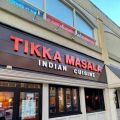
Tikka Masala is an Indian restaurant, that welcomes you with friendly service and an expansive menu that remains faithful to the best of culinary traditions of the Indian subcontinent.
5/22/2021

Ignoring the proper roof installation or repair can make big difference. A homeowner can face a huge loss of money, time and life if the roof is not taken care of.
3/9/2020
New York Escorts are versatile to assert the least and the huge variety of services they present to their clients.
1/3/2017
Destinations like New York provide notable possibilities for enjoyment. The presence of NYC escort girls over there is simply irresistible and attractive.
4/4/2017

We are just 1-877-402-7778 a call away. We at Kaspersky internet security 2015 support services are here to avail you with best solution on time and at a lowest possible cost.
4/12/2017
New York
company, product and service directory
company, product and service directory
Business Network 2008-2026
All rights reserved
All rights reserved