

7/3/2026
Is your Company in our Directory?

Roof, Attic & Truss Mold Inspections After Leaks in San Francisco
2/3/2026
Water intrusion through a roof is one of the most common—and most damaging—causes of hidden mold growth in San Francisco properties. Even minor roof leaks can introduce moisture into attic spaces and structural framing, creating ideal conditions for mold to develop long before visible signs appear inside the building.
For property owners, managers, and real estate professionals, timely roof, attic, and truss mold inspection after leaks are essential to protect both occupant health and the long-term integrity of the structure.
Why Roof Leaks Lead to High-Risk Mold Conditions
San Francisco’s coastal climate, frequent fog, and seasonal rain create prolonged drying times in roof cavities and attics. Unlike interior spaces, these areas often have limited ventilation and fluctuating temperatures, allowing moisture to remain trapped against wood framing and insulation.
Common sources of intrusion include:
- Damaged or aging roofing materials
- Flashing failures around vents and chimneys
- Flat roof drainage problems
- Wind-driven rain penetration
- Condensation from inadequate attic ventilation
Even when a leak is repaired quickly, moisture can persist in trusses, sheathing, and insulation, supporting mold growth out of sight.
Hidden Structural Impact of Attic Mold
Attic and truss mold is more than a cosmetic issue. When fungal growth colonizes structural wood, it can compromise material strength, increase deterioration rates, and reduce the service life of the building envelope.
Over time, this may lead to:
- Wood decay and loss of load-bearing capacity
- Insulation degradation and reduced energy efficiency
- Persistent indoor air quality (IAQ) problems
- Odor migration into occupied spaces
- Increased repair and remediation costs
Because spores and contaminants can migrate through ceiling penetrations and HVAC pathways, attic contamination often affects the living or working environment below.
Health & IAQ Concerns
Mold growth in roof and attic spaces can significantly impact IAQ even without visible indoor contamination. Air movement through the building envelope can carry spores and microbial byproducts into occupied areas, contributing to:
- Respiratory irritation and chronic sinus symptoms
- Asthma and allergy exacerbation
- Headaches, fatigue, and cognitive discomfort
- Increased sensitivity in vulnerable occupants
Early inspection allows for targeted intervention before exposure escalates.
Why Visual Inspections Are Not Enough
Roof and attic mold is frequently concealed behind insulation, ductwork, and structural members. A professional inspection goes beyond surface observations and includes:
- Moisture mapping of roof assemblies and framing
- Infrared thermal imaging to locate hidden damp areas
- Targeted surface and air sampling
- Evaluation of ventilation performance
- Assessment of insulation condition and contamination
These methods help identify both active growth and conditions conducive to future mold development.
Post-Leak Timing: When to Inspect
Many property owners wait until stains or odors appear inside the building. By this stage, contamination is often well established.
A mold inspection should be scheduled when:
- Any roof leak or storm-related intrusion has occurred
- Water staining is observed on ceilings or attic materials
- Insulation becomes wet or compressed
- Condensation or frost buildup is present in cold months
- Musty odors develop after rainfall
Prompt evaluation allows moisture to be addressed before fungal amplification occurs.
Attic Mold & Real Estate Transactions
In San Francisco’s competitive real estate market, attic and roof mold findings can delay or derail transactions. Undisclosed structural contamination may result in renegotiations, lender concerns, or future liability claims.
Pre-listing and pre-purchase inspections help:
- Identify hidden issues early
- Support accurate disclosure
- Prevent last-minute deal disruptions
- Provide documentation for remediation planning
For multi-unit and commercial properties, this due diligence is especially critical.
Post-Remediation Verification
After mold remediation or roof repairs, clearance testing is essential. Visual cleanliness does not confirm that contamination has been fully addressed.
Verification inspections evaluate:
- Remaining moisture content in wood and insulation
- Spore levels in attic and occupied spaces
- Effectiveness of cleaning and containment
- Ongoing ventilation performance
This ensures the building is safe for continued occupancy and protects against recurrence.
Professional Roof & Attic Mold Inspection in San Francisco
Bay Area Mold Pros provides comprehensive roof, attic, and truss mold inspection throughout San Francisco and the Bay Area. Our advanced diagnostic tools, defensible sampling protocols, and detailed reporting support property owners, managers, and real estate professionals in making informed decisions.
If your property has experienced a roof leak, don’t assume the problem ended at the repair. Schedule a professional attic and structural mold inspection with Bay Area Mold Pros today.
Other articles and publications:
Professional mold inspections for schools & daycare facilities focus on identifying hidden moisture, evaluating building conditions, helping administrators & property managers detect potential problems
Preventing mold in new construction in San Francisco requires a proactive and comprehensive approach.
1/9/2024
Houseplants, when cared for properly, are unlikely to cause mold issues. However, the importance of mold inspection and testing in San Francisco cannot be overstated.
1/9/2024
This article will highlight the importance of mold inspections, discuss the services offered by Bay Area Mold Pros, and present case studies of mold inspections and mold testing in San Francisco
7/3/2024
Mold inspection and testing play a pivotal role in maintaining a healthy living environment in San Carlos.
1/9/2024

If you agree that you've got visible sprouts of mold on your home, it is vital to rent professionals to get Mold inspection & testing benefits of hiring professional services.
8/8/2022
Articles and publications of other companies:
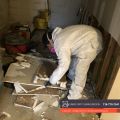
Brooklyn, New-York – February 11, 2021 – Sunbird Carpet Cleaning Brooklyn is pleased to announce the addition of a mold testing & inspection service.
2/11/2021

Dial our toll-free number 1-877-402-7778 and we will help you remotely for such needs. We have certified technicians to deal with such issues and activate code with safety.
2/6/2017

Our Massage Spa provide Traditional hot stone therapy involves placing and gliding various sizes of basalt stones along the spine, shoulders and neck to promote deep relaxation
6/5/2021

Our Massage Spa provide Traditional hot stone therapy involves placing and gliding various sizes of basalt stones along the spine, shoulders and neck to promote deep relaxation
6/8/2021

Ignoring the proper roof installation or repair can make big difference. A homeowner can face a huge loss of money, time and life if the roof is not taken care of.
3/9/2020
Dryer maintenance is necessary for home safety, and that means acquiring the necessary cleaning tools to keep the dryer vents in good working order.
9/16/2015
New York
company, product and service directory
company, product and service directory
Business Network 2008-2026
All rights reserved
All rights reserved