

12/7/2025
Is your Company in our Directory?

Designing the Ultimate Creative Space.

12/7/2025
As a content creator, the first step to creating a studio would be to select the appropriate location. This place must be calm, personal, and devoid of external distractions to get good recordings. It can be videos, podcasts, or live streaming; in any case, a set space can be used to ensure that the focus and continuity in terms of content production are maintained. The room size and its form are also important since they influence the acoustics and the possibility of arranging the equipment properly. Sound distribution is best in high ceilings and rectangular spaces, whereas adequate natural or artificial lighting is best for improving the quality of video. When the layout is planned, it will be easy to position cameras, microphones, desks, and storage units so that the workspace is not cluttered.
Acoustics and Workflow Optimisation.
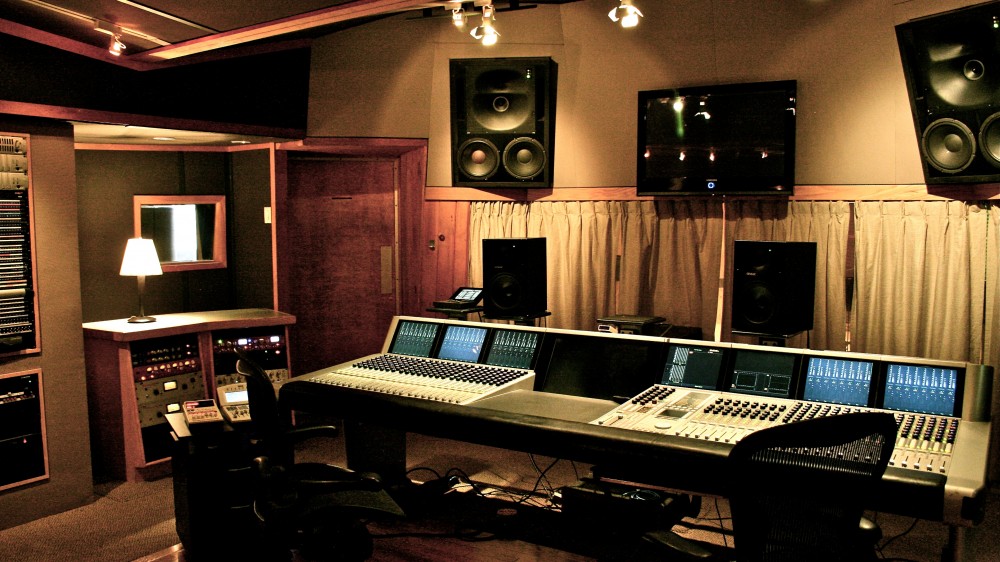 The second important measure is to make the studio acoustically and workflow optimised. Soundproofing should be used to ensure that outside noise does not affect the recordings and to put in place a high-quality audio standard. This may involve the installation of insulated walls, floating floors, and soundproof doors. Sound is made clear by acoustic treatment, including diffusers, bass traps, and panels, which dampen unwanted sound reflections. Another aspect that is equally important is the ability to plan the effective working process by dividing into recording, editing, and reviewing the topic spots. The ergonomic furniture, planned cable connections, and easy access to the equipment simplify the process of creativity, and the content creator is able to focus on production without distractions.
Furnishing and constructing the Studio.
Acoustic studio design services are often involved in bringing a studio of a content creator to life. These experts provide advice on how to furnish the space, how to acoustically treat the space, and how to maximise the quality of sound and visual appeal. The most important instruments are good-quality microphones, cameras, lighting systems, monitors, and recording interfaces, which rely on the type of content created by the creator. There is also a need for proper electrical planning, network connectivity, and storage solutions to cater to continuous production. After the construction and setup, sound clarity, balance of lighting, and efficiency of the workflow in the studio should be tested to be sure that the studio is of professional quality and provides an efficient environment to make content consistently.
Significance of a Professional Studio.
A suitable studio is an important possession of a content creator. Good audio and visual recordings make videos and podcasts high-quality items that can serve to attract and maintain audiences. A well-organised and well-acoustically designed working environment enhances productivity, lessens stress levels, and allows the creator to be completely devoted to creating content. Moreover, credibility goes through a professional studio, and such a factor can promote cooperation with brands and clients. Finally, a purpose-built studio is a proven goal to support creativity, efficiency, and quality content production, which is needed as a long-term success factor for a content creator. To sum up, being a content creator, one has to plan the studio carefully, design it, and execute it professionally. Since it is possible to select a quiet and functional area and maximise the acoustics, workflow, and equipment, each step will result in a productive and inspiring atmosphere.
Other articles and publications:
Improving the comfort and functionality of a home should start with the most utilized spaces, and a bathroom is among them.

Welcome to this blog post that is going to be the ultimate smart TV buying guide, if you are looking for the same, you can rest assured that you’ve just stumbled across the right place.
8/30/2023

A garage is the most important space in a building since it stores highly valuable movable properties named vehicles.
7/14/2021

You can say that it’s one of the most used spaces of home and it’s not a private space. Whether you are considering renovating your kitchen entirely or need to put a change in appearance
2/8/2021

In this day & age, almost every clinic with healthcare employees is at the risk of cyber security threats except for one that is protected by special veterinary IT services.
6/16/2022

The presence of wildlife in or around your home means you are not safe and your health is at risk as they carry bacterial, fungal, and viral diseases.
1/28/2024
Business details
- +1 (21220) 086-0
- 7766 Indian Summer Rd. Webster, NY 14580
We are a home and electronic business that sell in our store and online
New York
company, product and service directory
company, product and service directory
Business Network 2008-2026
All rights reserved
All rights reserved