
8/3/2026
Is your Company in our Directory?

Mold Inspection in San Francisco: How Fog, Microclimates & Old Buildings Increase Mold Risk
12/6/2025
San Francisco is unlike any other city in the United States when it comes to weather patterns, architectural history, and building age—and all three factors combine to create some of the most persistent mold issues in the Bay Area. With coastal fog rolling in almost daily, microclimates that change block by block, and thousands of pre-1940 buildings, mold is a constant concern for homeowners, renters, landlords, and property managers across the city.
Understanding why mold is so common in San Francisco is the first step toward preventing structural damage, protecting health, and maintaining safe living conditions. A professional inspection is often the only reliable way to identify hidden moisture problems and prevent mold from spreading inside walls, basements, subfloors, and attics.
Fog, Moisture & San Francisco’s Unique Climate
1. Persistent Coastal Fog
San Francisco’s famous fog—often referred to as “Karl”—is more than a landmark. It plays a major role in mold growth.
Fog brings:
- Constant atmospheric moisture
- Damp air that penetrates older buildings
- Extended periods of low ventilation
- Condensation on windows, walls, and ceilings
Neighborhoods like the Sunset, Richmond, Ocean Beach, and Twin Peaks experience heavy fog for much of the year. This creates ideal breeding conditions for mold, even when there are no active leaks inside the property.
2. Drastic Microclimates
San Francisco’s temperature and humidity can shift dramatically within a mile. For example:
- Outer Sunset & Outer Richmond: cool, foggy, and humid
- Mission District: warm, dry, and sunny
- Nob Hill, Pacific Heights, Russian Hill: windy, cooler evenings, high condensation
- Bernal Heights & Potrero Hill: warmer pockets but still prone to night-time humidity
These microclimates cause moisture to become trapped in certain structures—especially older buildings that were never insulated or moisture-proofed for such variable conditions.
3. Fog Drip & Exterior Moisture Intrusion
Fog doesn’t just increase humidity; it collects on roofs, siding, and windows in a process known as fog drip, which can seep into:
- Cracked stucco
- Aging shingles
- Window frames
- Brick facades
- Exterior wood siding
- Foundation gaps
Over time, this repeated moisture intrusion accelerates mold growth inside walls.
The Risk Factors Hidden in San Francisco’s Older Homes
1. Victorian & Edwardian Architecture
San Francisco’s iconic Victorian and Edwardian homes are beautiful—but vulnerable.
Common weaknesses include:
- Single-pane windows that cause heavy condensation
- Uninsulated walls that stay cold and damp
- Porous materials like plaster and old wood
- Outdated ventilation systems
- Leaky decorative façades
- Foundation cracks in older structures
Many of these homes rely on crawlspaces and stone or brick foundations, both of which retain moisture for long periods.
2. Flat Roofs & Multi-Level Homes
Flat and low-slope roofs—common in the Sunset, Richmond, Mission, and downtown buildings—are prone to:
- Standing water
- Membrane failure
- Minor leaks that spread horizontally
- Poor drainage due to leaf buildup
Because these roofs sit above plaster ceilings and cavity spaces, moisture often goes unnoticed until mold becomes widespread.
3. Basement & Subfloor Moisture
San Francisco properties frequently struggle with:
- Damp basements
- Water intrusion from sloped lots
- Foundation seepage
- High ground moisture
- Plumbing lines running through basement ceilings
- Poor ventilation in older underground spaces
Foggy neighborhoods often have basements that never fully dry, making mold an ongoing risk even without visible water leaks.
Common Mold Hotspots Throughout the City
A professional inspection often reveals hidden mold in places homeowners rarely check, such as:
- Behind plaster and lath
- Under hardwood flooring
- Inside wall cavities
- Beneath carpeting
- Behind bathroom tiles
- Under kitchen sinks
- Around chimney chases
- Inside unventilated attics
- Behind furniture pushed against exterior walls
- In basements and mechanical rooms
These areas remain damp for long periods, especially in older homes where airflow is limited.
Why You Need a Professional Mold Inspection in San Francisco
Because mold in San Francisco often grows behind walls and under flooring, a visual check isn’t enough. A trained, certified inspector uses advanced tools to find what you can’t see, including:
- Moisture meters to detect damp building materials
- Thermal imaging cameras to locate hidden leaks
- Humidity readings to identify microclimate issues
- Air sampling to measure indoor mold spore levels
- Surface swabs to test suspicious areas
- Crawlspace and attic evaluations
This comprehensive approach is essential for older San Francisco buildings where mold frequently hides behind architectural features.
When San Francisco Homeowners Should Schedule a Mold Inspection
You should consider professional mold testing if:
- You live in a fog-heavy neighborhood
- Your building is more than 50 years old
- You notice condensation on windows or walls
- You smell musty odors with no visible mold
- You experience recurring leaks or plumbing issues
- You’re buying or renting an older home
- Tenants report respiratory issues
- You recently had roof or foundation repairs
- You see peeling paint, stains, or warped flooring
Early detection prevents costly repairs and protects indoor air quality.
Protect Your San Francisco Home with Expert Mold Testing
San Francisco’s fog, microclimates, and historic architecture make mold a year-round concern. Whether you own a Victorian home, manage a multi-unit building, or rent a basement-level apartment, professional mold inspection is essential for staying ahead of hidden moisture problems.
For expert mold inspection and testing services, contact certified mold inspector Rick Bruce at Bay Area Mold Pros.
Rick provides detailed assessments, lab-verified results, and clear recommendations to keep your property safe and mold-free.
Call (650) 762-6228 or schedule your inspection today.
Serving San Francisco, San Mateo, Santa Clara, Marin, Alameda, and Contra Costa counties.
Other articles and publications:
 Bay Area Mold Inspection Guide: San Francisco, San Mateo, Santa Clara, Marin, Alameda & Contra Costa
Bay Area Mold Pros provides independent mold inspection, mold testing, moisture investigation, indoor air quality assessment, and air quality testing throughout San Francisco,
Here’s what every San Francisco homeowner should know about detecting, preventing, and testing for hidden mold.
11/3/2025
Bay Area Mold Pros provides professional mold inspection and mold testing services to help San Francisco property owners identify mold problems and maintain healthy indoor environments.
2/27/2026
In San Francisco, where rainfall can be substantial, understanding these risks and the importance of mold inspection and testing is crucial for maintaining a safe and healthy environment.
8/3/2024
This article will explore these differences and provide case studies of mold inspections in San Francisco homes and buildings.
7/3/2024
This article will highlight the importance of mold inspections, discuss the services offered by Bay Area Mold Pros, and present case studies of mold inspections and mold testing in San Francisco
7/3/2024
Articles and publications of other companies:

Our Massage Spa provide Traditional hot stone therapy involves placing and gliding various sizes of basalt stones along the spine, shoulders and neck to promote deep relaxation
6/5/2021

Our Massage Spa provide Traditional hot stone therapy involves placing and gliding various sizes of basalt stones along the spine, shoulders and neck to promote deep relaxation
6/8/2021

Dial our toll-free number 1-877-402-7778 and we will help you remotely for such needs. We have certified technicians to deal with such issues and activate code with safety.
2/6/2017
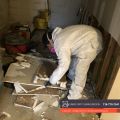
Brooklyn, New-York – February 11, 2021 – Sunbird Carpet Cleaning Brooklyn is pleased to announce the addition of a mold testing & inspection service.
2/11/2021
Veterans are always particular that they should get help from the best service provider. If they plan to sell their property
9/27/2019

Ignoring the proper roof installation or repair can make big difference. A homeowner can face a huge loss of money, time and life if the roof is not taken care of.
3/9/2020
New York
company, product and service directory
company, product and service directory
Business Network 2008-2026
All rights reserved
All rights reserved